Bareilly: With hypertension cases rising steadily across all age groups, medical experts have warned that high blood pressure is rapidly emerging as one of the biggest silent health threats globally and in India.
Observed every year on May 17, World Hypertension Day aims to spread awareness about the prevention, diagnosis and management of hypertension, commonly known as high blood pressure. This year’s theme is “Controlling Hypertension Together: Check Your Blood Pressure Regularly, Defeat the Silent Killer.”
According to the World Health Organization, more than 30 percent of the global population is affected by hypertension, which is responsible for nearly one crore deaths worldwide every year.
On the occasion of World Hypertension Day, specialists from SRMS Medical College highlighted the growing burden of the disease and the urgent need for lifestyle changes and regular health screening.
Minor Symptoms Often Ignored
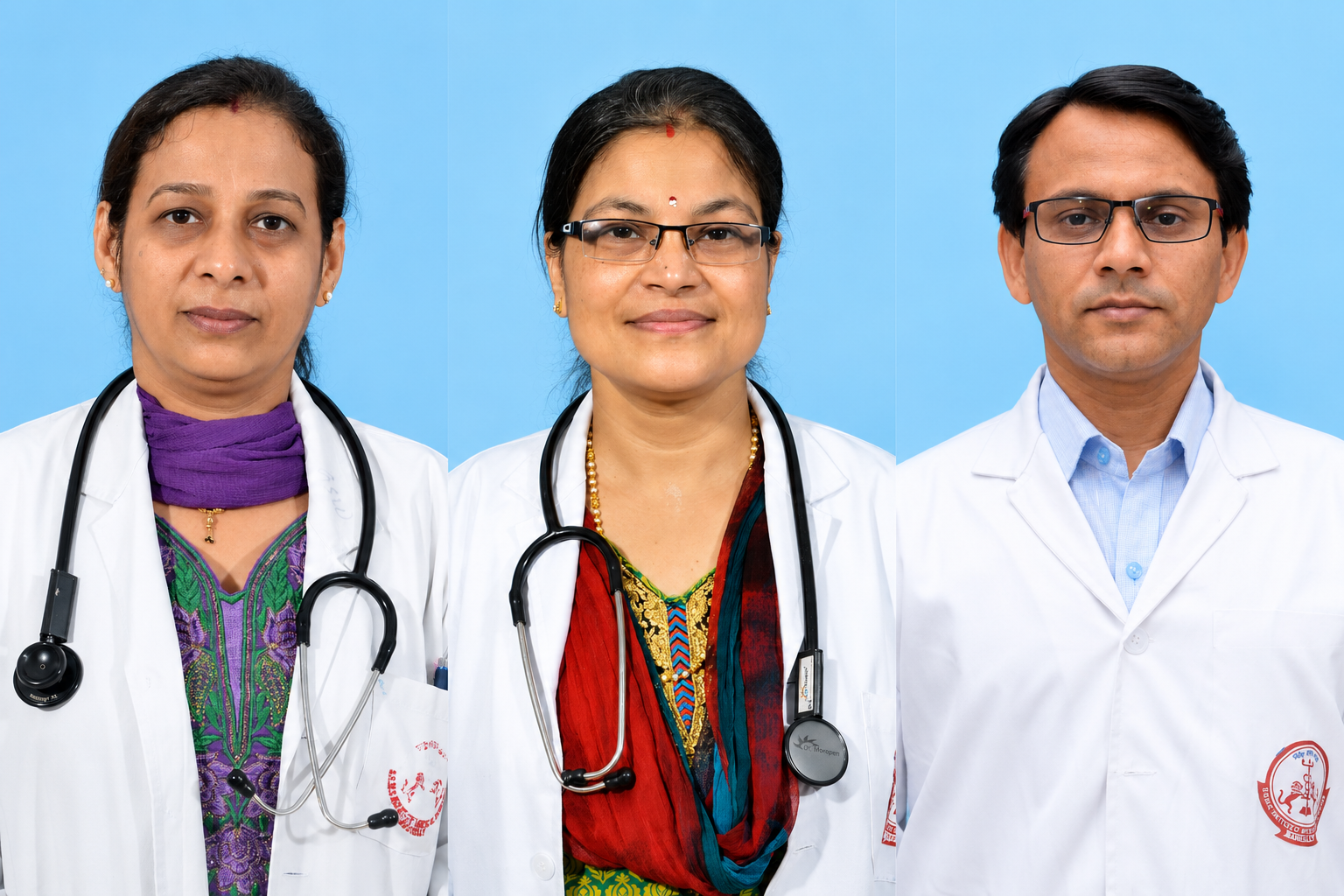
Cardiologist Amresh Agrawal explained that hypertension is commonly referred to as high blood pressure, a condition in which blood pressure levels rise beyond normal limits, often crossing 140 mmHg.
He said the disease is called a “silent killer” because many people ignore seemingly mild symptoms such as frequent headaches, dizziness, breathlessness, stress, fatigue, irritability, twitching of limbs and occasional nosebleeds until serious complications develop.
According to Dr. Agrawal, hypertension is increasingly affecting not only older adults but also young people in the 20–44 age group due to changing lifestyles and unhealthy eating habits.
Physician Smita Gupta said that once hypertension develops, it usually requires lifelong management through medicines and lifestyle control. However, she added that balanced nutrition, regular exercise, proper sleep and periodic blood pressure monitoring can significantly help keep it under control.
Growing Lifestyle Risks Behind Rising Cases
Doctors pointed out that sedentary lifestyles, packed foods, high-salt diets, excessive calorie intake, lack of physical activity and prolonged dependence on air-conditioned environments are among the major reasons behind the rising number of hypertension patients.
Dr. Agrawal noted that regular walking or exercise helps remove excess salt and calories through sweating, reducing the risk of high blood pressure and related complications.
Dr. Smita Gupta said the increasing number of hypertension patients visiting SRMS OPD daily reflects the seriousness of the issue. She advised everyone above the age of 30 to undergo annual health check-ups even if there is no family history of hypertension, diabetes or heart disease.
The experts also cautioned against stopping medicines abruptly once symptoms improve, stating that irregular treatment can lead to dangerous complications.

Serious Health Complications Possible
Medical experts warned that uncontrolled hypertension can lead to severe health problems including heart attack, stroke, brain haemorrhage, kidney damage, paralysis, aneurysm, heart failure, metabolic syndrome, vision loss and memory-related disorders.
Doctors also identified high-risk groups, including elderly people, overweight individuals, smokers, alcohol consumers, diabetic patients, people under chronic stress, those with high cholesterol levels and individuals with poor sleep habits.
Pregnancy-Related Hypertension Can Be Dangerous
Gynecologist Shashibala described hypertension during pregnancy as particularly dangerous for both mother and child.
She explained that hormonal changes during pregnancy can naturally elevate blood pressure, but women already suffering from BP-related issues face a higher risk of developing severe hypertension.
According to her, uncontrolled hypertension during pregnancy can lead to miscarriage, premature delivery, eclampsia and life-threatening complications for both mother and baby. She said maternal hypertension remains one of the leading causes of maternal mortality.
She advised pregnant women to seek immediate medical attention if they experience swelling in the face or feet, severe headaches, fatigue, anxiety or blurred vision.
Experts Share Preventive Measures
Doctors stressed that mild hypertension can often be controlled through non-medical interventions such as reducing salt intake, maintaining healthy weight and regular exercise.
Experts recommended:
- Daily 45-minute walking or exercise routines
- Balanced diet rich in fruits, vegetables and whole grains
- Reduced intake of salt, saturated fat and processed food
- Avoidance of smoking and excessive alcohol consumption
- Adequate sleep and stress management through meditation and yoga
- Regular monitoring of blood pressure, blood sugar and cholesterol levels
Doctors also warned against passive smoking and prolonged exposure to noise pollution, both of which can contribute to elevated blood pressure.
The specialists concluded that awareness, early diagnosis and disciplined lifestyle habits remain the most effective weapons against hypertension and its potentially fatal complications.







 ---------------------------------------------------------------------------------------------------